

Science & Evidence
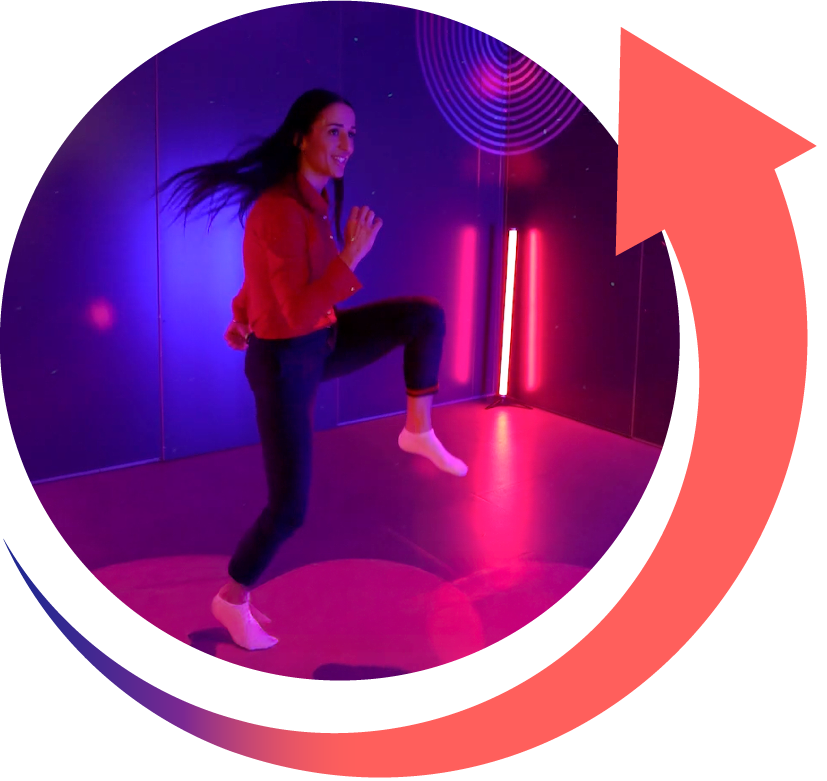
MyFlow combines movement, sound, and visual stimulation into a structured 14-minute multisensory experience that helps people reset their nervous system, regain focus, and restore energy in demanding environments.
Programs are self-selected based on the individual’s current psychophysiological state, enabling adaptive regulation anytime — without equipment, disruption, or fatigue.
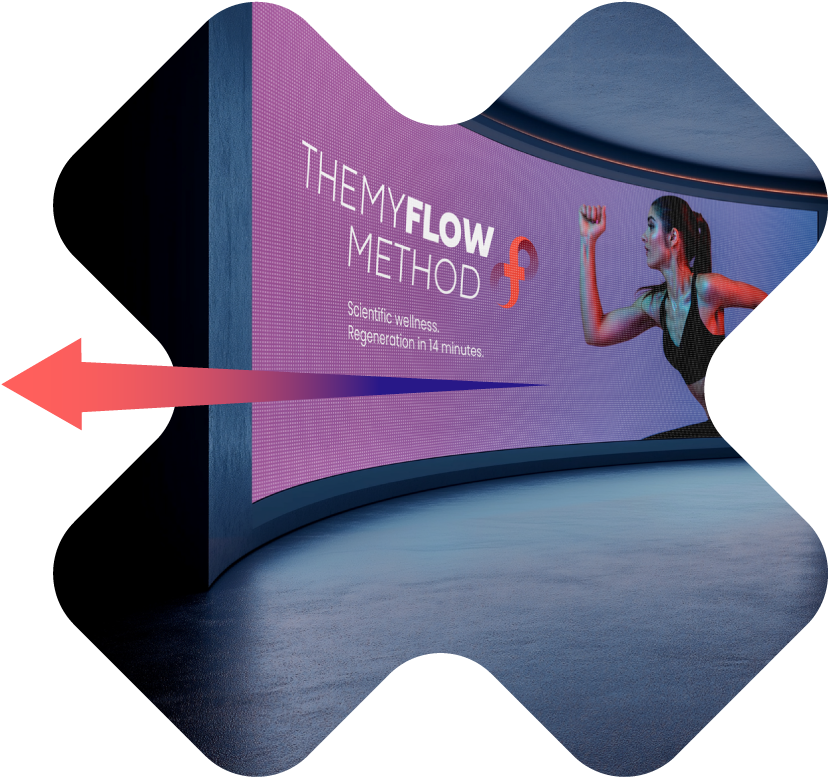
MyFlow is grounded in behavioral science and psychophysiology, showing how structured movement and sensory input support nervous system regulation, focus, and performance.
Short, repeatable sessions suitable for real-world use.
Supports measurable improvements in attention, engagement, and regulation.
Unlock Energy, Focus & Performance through Movement
Effects of Sensory-Enhanced Acute Exercise on Affective Characteristics of Employees
by Tanja Lazarević, Aleksandar Nedeljković
Stanimir Stojiljković, Ana Vesković, Saša Bubanj, Novica Bojanić, Aleksa Bubanj and Ana Orlić
Abstract
Employee well-being and affective states are critical factors influencing overall organizational success. This study examined the immediate effects of a sensory-enhanced acute exercise program on employees’ affective characteristics, including emotions, anxiety, and work motivation; A total of 84 participants, split into an experimental and control group, participated in the actual study. The experimental group engaged in a 14-min tailored exercise program in a sensory-rich “smart room” while the control group watched a neutral animated documentary. A pretest–posttest design was used, and data were analyzed using repeated measures ANOVA with post hoc tests for significant interactions; The results revealed significant improvements in positive emotions (F(1, 82) = 20.99, p < 0.01) and work motivation (energy level: F(1, 82) = 48.36, p < 0.01; emotional arousal: F(1, 82) = 12.29, p < 0.01) in the experimental group, along with a significant reduction in anxiety (F(1, 82) = 11.37, p < 0.01) compared to the control group. Although reductions in negative emotions were observed across both groups, the differences were not statistically significant; This study underscores the effectiveness of integrating exercise with tailored sensory environments to enhance emotional states and workplace motivation. Such interventions offer a practical and scalable approach to improving employee well-being, highlighting their potential for adoption in diverse professional settings.