

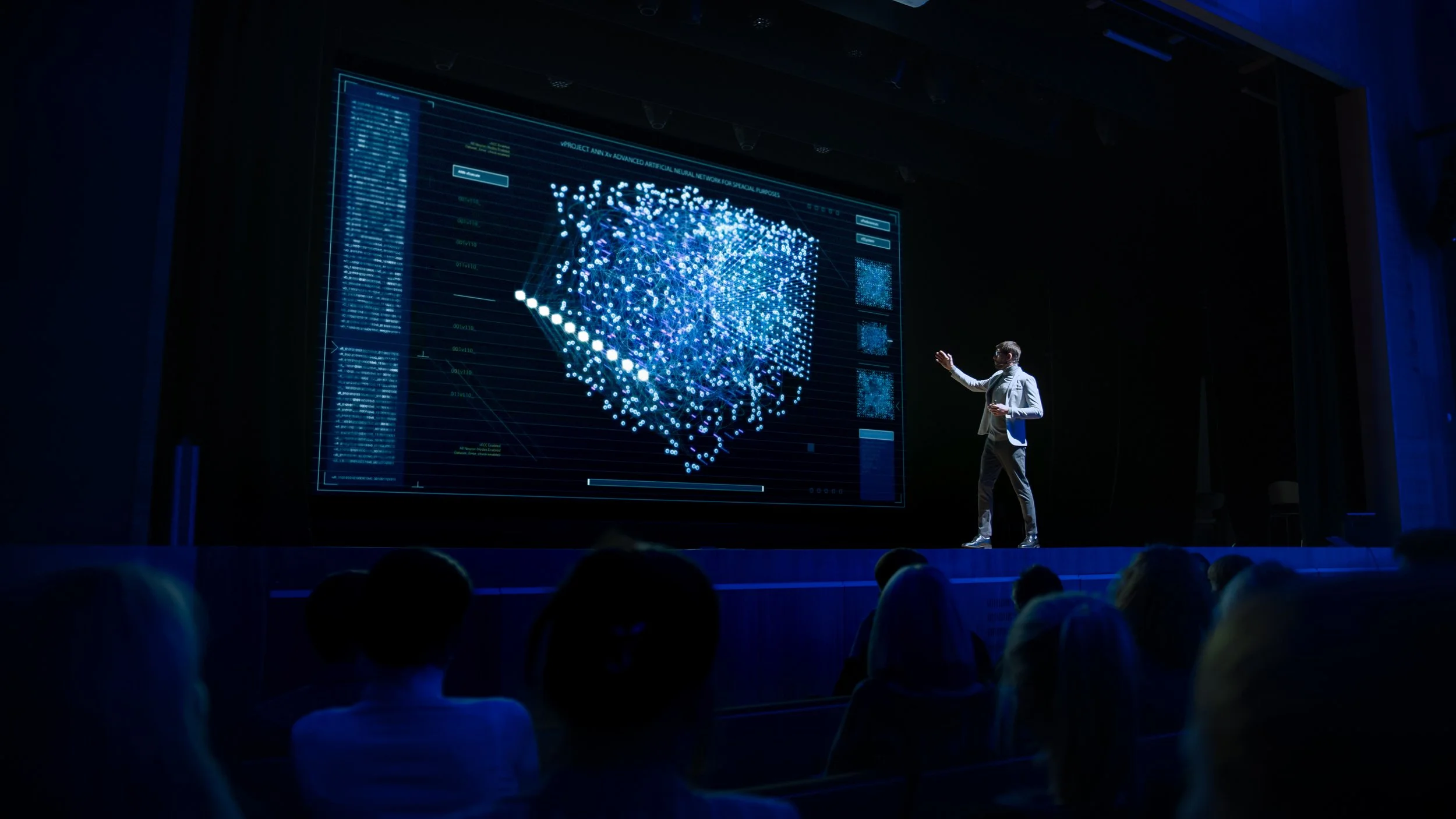
In the Field
MyFlow has been tested, experienced and refined in high-demand, real-world environments.
From global tech events to institutional and media exposure, MyFlow has evolved through direct interaction with diverse audiences and real-world contexts.
MyFlow is grounded in behavioral science and psychophysiology, showing how structured movement and sensory input support nervous system regulation, focus, and performance.
Short, repeatable sessions suitable for real-world use.
Supports measurable improvements in attention, engagement, and regulation.
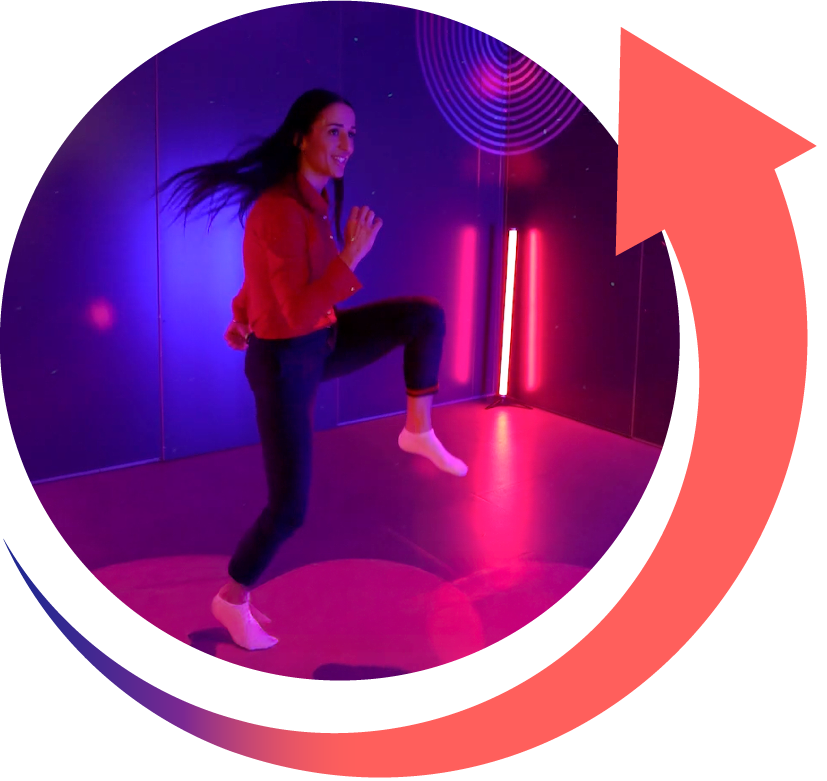
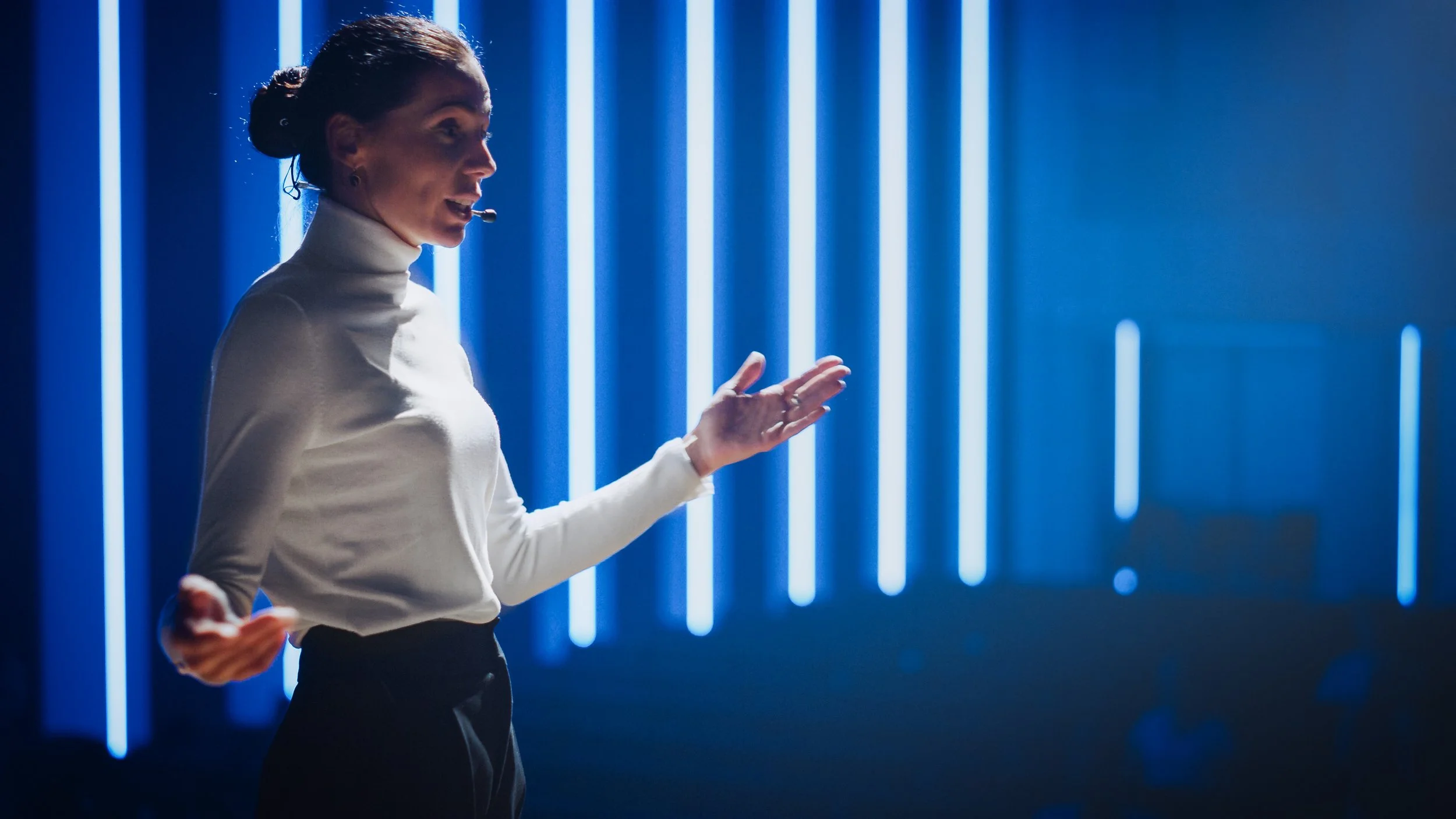
Unlock Energy, Focus & Performance through Movement
Effects of Sensory-Enhanced Acute Exercise on Affective Characteristics of Employees
by Tanja Lazarević, Aleksandar Nedeljković
Stanimir Stojiljković, Ana Vesković, Saša Bubanj, Novica Bojanić, Aleksa Bubanj and Ana Orlić
Abstract
Employee well-being and affective states are critical factors influencing overall organizational success. This study examined the immediate effects of a sensory-enhanced acute exercise program on employees’ affective characteristics, including emotions, anxiety, and work motivation; A total of 84 participants, split into an experimental and control group, participated in the actual study. The experimental group engaged in a 14-min tailored exercise program in a sensory-rich “smart room” while the control group watched a neutral animated documentary. A pretest–posttest design was used, and data were analyzed using repeated measures ANOVA with post hoc tests for significant interactions; The results revealed significant improvements in positive emotions (F(1, 82) = 20.99, p < 0.01) and work motivation (energy level: F(1, 82) = 48.36, p < 0.01; emotional arousal: F(1, 82) = 12.29, p < 0.01) in the experimental group, along with a significant reduction in anxiety (F(1, 82) = 11.37, p < 0.01) compared to the control group. Although reductions in negative emotions were observed across both groups, the differences were not statistically significant; This study underscores the effectiveness of integrating exercise with tailored sensory environments to enhance emotional states and workplace motivation. Such interventions offer a practical and scalable approach to improving employee well-being, highlighting their potential for adoption in diverse professional settings.